Practical Guide
This article is written for NSW tyre shops, workshops, dealers, warehouses, and fleet depots that want cleaner operations, easier pickups, and stronger compliance routines.
When bulk tyre collection becomes necessary
Most tyre businesses prefer a steady collection rhythm. That works well until volume spikes beyond what the normal schedule can absorb. Seasonal surges, neglected storage zones, weak branch habits, workshop resets, and inherited stock can all create a backlog that no longer fits into routine pickups.
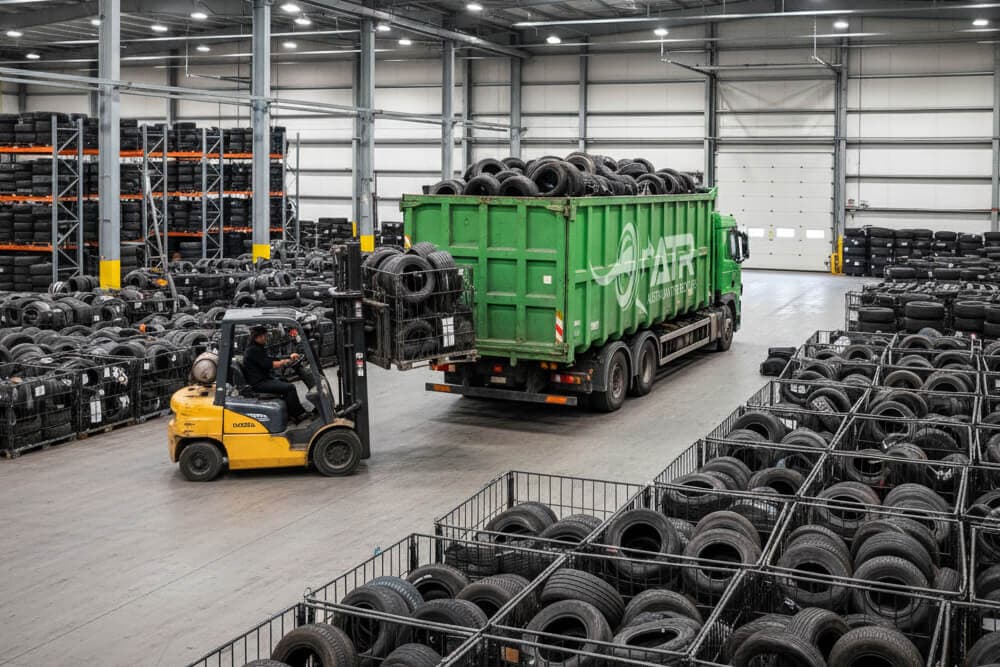
At that point, the problem is not only that there are too many tyres on site. The bigger problem is that the site starts losing control. Access lanes narrow, staging quality drops, records become harder to keep straight, and managers start making short-term decisions under pressure. Bulk tyre collection is not just about removing volume. It is about restoring order before the site slides further into disruption.
What usually causes a bulk clear-out request
- Overflow after reactive booking: tyres have been allowed to build past the site's comfortable threshold.
- Old stockpile cleanup: a site has inherited or accumulated older tyres that were never cleared properly.
- Branch reset or consolidation: dealer groups sometimes need to clean out a weak branch or prepare a site for operational change.
- Seasonal volume spike: fleet work, promotions, and service peaks can push normal pickup cadence beyond its limit.
- Audit or insurance pressure: the business needs the yard reset quickly before a review, lease event, or site inspection.
The risks of handling a stockpile too late
The longer a tyre stockpile sits, the more expensive it becomes in indirect ways. Bulk volume starts affecting traffic flow, workshop productivity, and staff attention. The site becomes harder to manage even before a collection vehicle arrives.
Late action also creates poor pickup conditions. Tyres may be mixed with other waste, spread across multiple corners, or stacked in ways that slow loading. That means the clear-out itself becomes harder, slower, and more disruptive than it needed to be.
How to prepare a site for a bulk tyre pickup
- Estimate volume honestly: count units or classify the stock as rough volume tiers so the collection plan matches the real site load.
- Consolidate the stockpile: where possible, move tyres into one controlled zone instead of leaving satellite piles around the yard.
- Separate contamination: remove rims, pallets, scrap, liquids, and general waste before the pickup day.
- Clear vehicle access: a bulk removal only works if the loading path is wide, safe, and predictable.
- Nominate one site lead: one person should own readiness, communication, and on-day coordination.
What good bulk collection planning looks like
A well-managed bulk pickup does not feel improvised. The site knows roughly how much is being removed, the tyres are staged logically, access constraints are understood, and the collection happens as part of a plan rather than a scramble.
That planning matters even more for dealer groups, warehouses, and depots with larger footprints. In those environments, the real value is not just clearing the stockpile. It is using the clear-out to reset the site into a better operating standard afterwards.
After the clear-out: how to avoid ending up back in the same position
- Set a new booking threshold: bulk cleanup should be the reset point, not the new normal.
- Move onto a schedule: sites that have needed one major clear-out often need a more disciplined pickup cadence afterwards.
- Standardise storage: keep tyres in one consistent zone so future volume is easier to monitor.
- Fix weak ownership: if nobody owns booking and readiness, the stockpile will return.
- Review records: use the clear-out as a point to rebuild cleaner site documentation.
Who this matters most for
- Tyre retailers dealing with overdue backlog or old site stock
- Dealer groups cleaning up underperforming branches
- Fleet depots recovering after a high-volume service period
- Warehouse and industrial sites with overflow tyres affecting space and traffic flow
Use the clear-out to rebuild control
Bulk tyre collection solves the immediate pressure, but its bigger value is giving the site a clean operating reset. If that reset is supported by better thresholds, better staging, and better pickup habits, the business comes out stronger than before the stockpile formed.
If you are dealing with an overloaded yard, compare your options with How to Choose a Commercial Tyre Collection Partner in NSW, then stabilise the site with Scheduled Tyre Pickups in NSW and Collection-Ready Tyre Storage. For large site clear-outs or overflow recovery, review our Commercial Collection Services or contact ATR to discuss your site.
Next Step
Turn the guidance into a workable pickup plan
If you are reviewing tyre collection providers, compare the commercial tyre pickup services, request a site-specific collection plan through ATR contact, or review local coverage for Sydney, Newcastle, and Wollongong.