Practical Guide
This article is written for NSW tyre shops, workshops, dealers, warehouses, and fleet depots that want cleaner operations, easier pickups, and stronger compliance routines.
The Difference Between a 'Task' and a 'System'
For many busy workshops and tyre dealerships across NSW, preparing for a tyre collection feels like a chore—a last-minute scramble to clear cars and move piles before the truck arrives. But for high-volume sites, there is no 'last minute.' Efficiency is built into the daily workflow.
A Preparation SOP (Standard Operating Procedure) is the difference between a site that survives a busy week and one that thrives. It’s not just a checklist of things to do; it’s a repeatable team routine that ensures your yard stays pickup-ready by default. When your team follows a system, collections become invisible—they happen smoothly, quickly, and without disrupting your core service work.
The 'Clean Zone' Standard
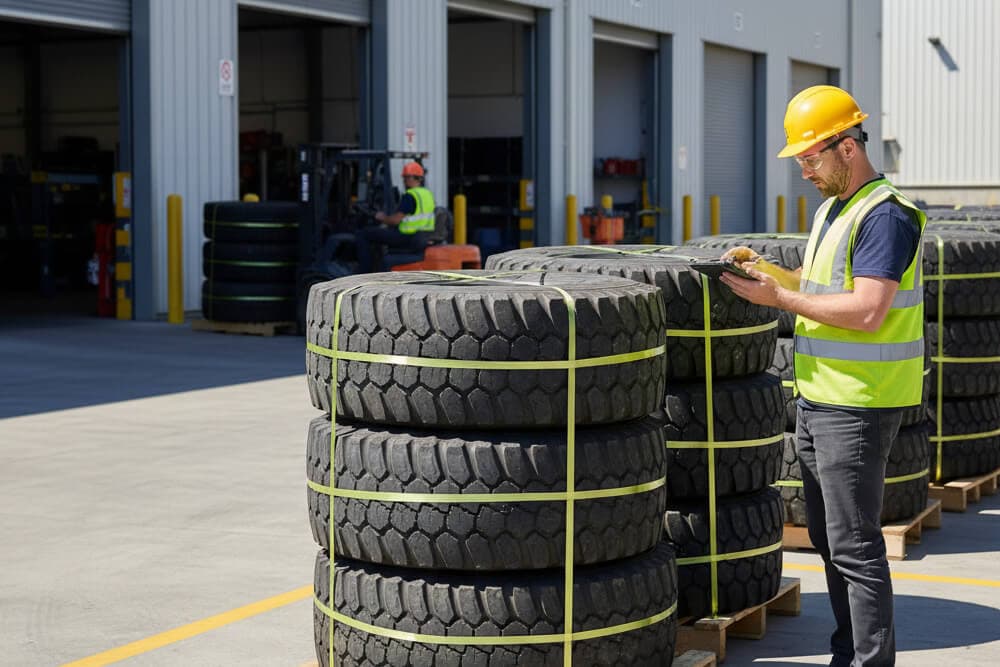
The heart of a successful prep guide is the Clean Zone. This is more than just a spot on the ground; it’s a commitment to professional handling. To maintain a site that collectors love to visit, follow these six core rules every shift:
- Single-Source Staging: Move all used tyres immediately to the dedicated zone. Never allow 'satellite piles' to form in corners or delivery bays.
- Access Lane Zero-Tolerance: Keep the vehicle access path clear 24/7. Moving pallets or equipment 'just for the truck' is a sign of a broken system.
- Pure Waste Streams: Tyres are a resource, not trash. Never mix them with scrap metal, general waste, or shop liquids. Clean loads move 50% faster.
- Structural Stacking: Ensure stacks are stable and accessible. Unstable piles are a handling hazard that can lead to site damage or injury.
- End-of-Shift Tally: Have a supervisor record a quick volume estimate before closing. This data is the key to managing your pickup cadence.
- Proactive Escalation: Don't wait for your 'Tyre Champion' to notice a full yard. Any staff member should know when the 'booking threshold' has been met.
Team Roles: Who Owns the Prep?
The most common point of failure in tyre logistics is unclear ownership. If everyone is responsible for prep, no one is. High-performing sites split the duties logically:
Technicians are responsible for moving tyres to the right zone immediately. Supervisors are responsible for the 'Daily Visual Check' of the access lane. The Site Lead owns the booking process and ensures documentation is ready. When everyone knows their small part in the larger system, the entire site stays in sync.
The 30-Second Audit: Training Your Eyes
Can a new team member identify your tyre zone in under 30 seconds? Can they see a clear, safe path for a heavy vehicle to reach it? If the answer is no, your prep guide needs work.
We recommend printing a simple visual guide—showing exactly what a 'Ready' zone looks like—and posting it in the lunchroom or tool area. Visual standards are much harder to ignore than verbal instructions, and they help maintain consistency as your team grows or rotates shifts.
Moving Toward Zero-Disruption
The ultimate goal of a prep SOP is a site where tyre collection is a non-event. It should be a quiet, efficient exchange that leaves your yard cleaner and your team focused on their work.
Combine your new prep standards with our Scheduled Pickup Cadence to take full control of your site’s logistics. Ready to standardize your collection? Talk to our Sydney-based team about drafting a custom SOP for your dealer network.
Explore More: Review our Site Readiness Checklist to audit your storage zone today.
Next Step
Turn the guidance into a workable pickup plan
If you are reviewing tyre collection providers, compare the commercial tyre pickup services, request a site-specific collection plan through ATR contact, or review local coverage for Sydney, Newcastle, and Wollongong.