Practical Guide
This article is written for NSW tyre shops, workshops, dealers, warehouses, and fleet depots that want cleaner operations, easier pickups, and stronger compliance routines.
Why June is the right time to reset tyre collection
June is the final month of the Australian financial year and a useful planning window for NSW businesses that generate used tyres every week. Use it to clear the obvious backlog, review recent collections, and set the storage, pickup, and record-keeping routine that will apply from 1 July.
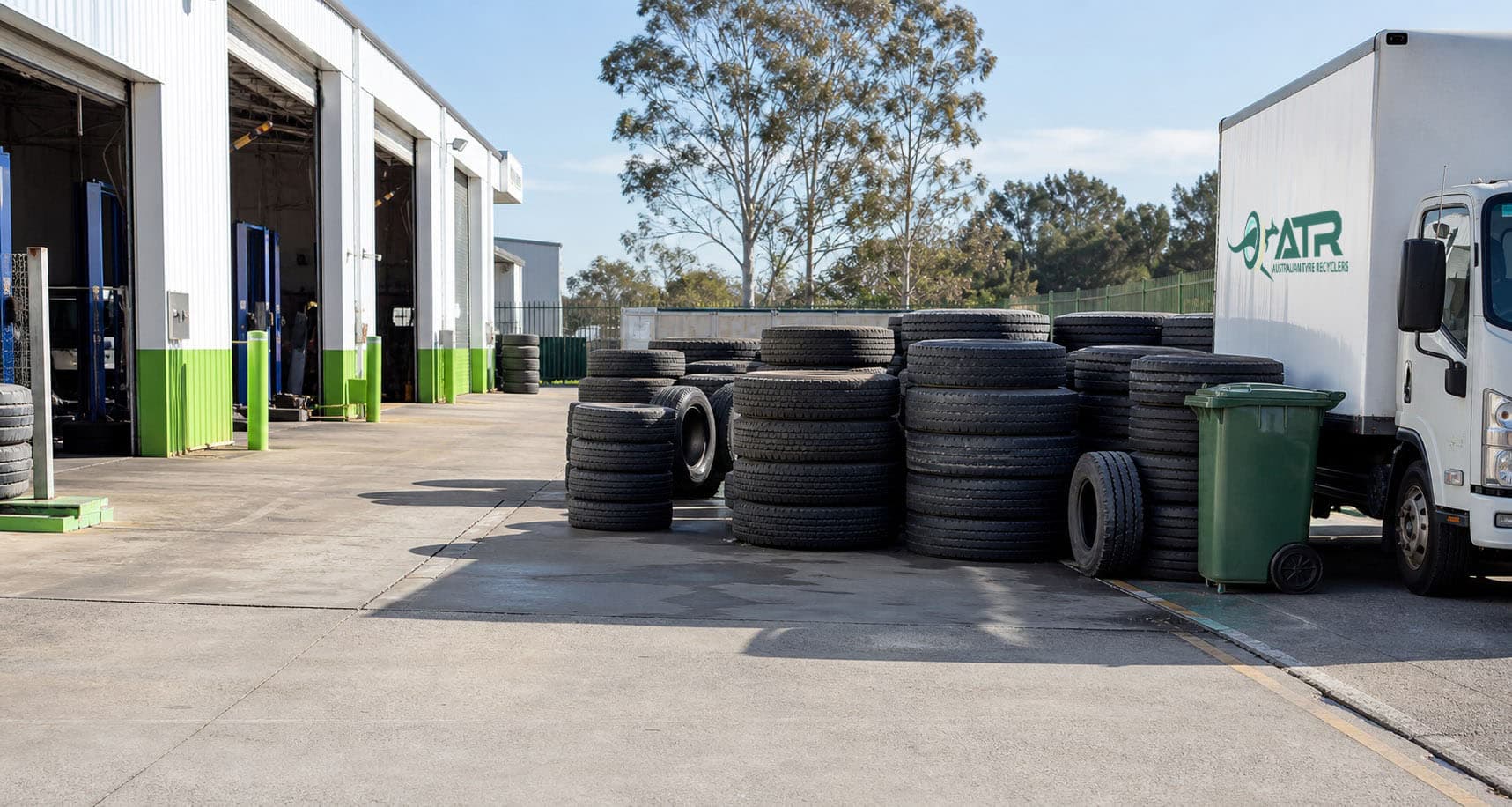
For tyre shops, mechanical workshops, fleet depots, dealerships, warehouses, and multi-site operators, commercial tyre pickup works best when it is planned into the site rhythm. Waiting until tyres spill into access lanes or customer-facing areas usually costs more attention than a simple routine would have required.
What a new financial year tyre plan should include
A useful waste tyre collection service plan does not need to be complicated. It needs to give managers and staff a shared answer to when pickup should happen, where tyres should sit, and how collection records should be kept.
- A pickup trigger: define the tyre volume, storage limit, or weekly rhythm that tells the team when to book collection.
- A nominated staging zone: keep used tyres in one controlled area with clean access for loading and collection.
- A record routine: store collection dates, references, invoices, and site notes where managers can find them quickly.
- A backlog rule: separate inherited or aging stock from normal weekly flow so old problems do not distort the new year.
- A review cadence: check pickup frequency monthly, especially if sales volume, fleet activity, or branch output changes.
Sites that should act in June
- Tyre shops with steady passenger or light commercial volume
- Dealer groups comparing branch performance after EOFY
- Fleet depots carrying mixed stock from maintenance cycles
- Warehouses and commercial yards where tyres compete with loading space
What a strong plan improves
- Fewer rushed clear-outs and emergency pickup requests
- Cleaner access lanes and more predictable workshop flow
- Better visibility across sites, branches, and managers
- Stronger disposal records for internal review and audit readiness
Build the plan around real site behaviour
The best tyre collection plan is based on what actually happens at the site, not a hopeful estimate written once and forgotten. Walk the yard, review recent collections, ask staff where tyres usually start spreading, and look at the moments when booking becomes urgent.
If tyres usually overflow before the end of the month, the site needs a tighter scheduled pickup cadence. If volume comes in waves, the site may need a routine service plus the option to book a bulk collection after busy periods. If multiple branches behave differently, each location may need the same rules but a different pickup frequency.
A practical June setup checklist
Use the first week of June to create a simple baseline. The goal is to make the next pickup easier, not to create a long internal project.
- Count current used tyre volume: separate normal weekly flow from any old or inherited stock.
- Mark the pickup zone: confirm where tyres should be staged and where they should not spread.
- Choose the booking trigger: set a clear volume point, calendar rhythm, or manager approval step.
- Review access: make sure collection can happen without moving other waste, pallets, vehicles, or equipment first.
- Centralise records: keep collection details in one place so finance, operations, and site managers can review them later.
- Book the next service early: use June to establish the rhythm before peak pressure returns.
Scheduled tyre pickup or bulk collection?
Scheduled tyre pickup is the right fit when used tyres are part of normal business flow. It helps the site stay clear, reduces manager follow-up, and turns disposal into a predictable routine. Bulk tyre pickup is better when a site is carrying a large reset volume, old stock, or tyres that have already moved beyond the normal staging area.
Many NSW businesses need both at different times. A June plan might start with a bulk clear-out to remove inherited volume, then move into scheduled collections that keep the yard from sliding back into the same condition.
Common mistakes that weaken tyre collection plans
Most tyre disposal problems are not caused by one bad pickup. They usually come from unclear rules that let small handling issues repeat.
- Booking too late: collection is requested only after the storage zone is already full.
- No branch standard: every site keeps different records, stages tyres differently, and escalates problems at different times.
- Mixing old and new stock: current flow gets confused with inherited backlog, making pickup needs harder to judge.
- Ignoring access: tyres are stacked where collection becomes slower, less efficient, or harder to schedule.
- No review point: the plan is created once, but nobody checks whether volume has changed.
Make tyre collection part of the operating year
A new financial year tyre collection plan gives your team a cleaner way to manage used tyres before they become a site problem. Set the pickup trigger, protect the staging area, keep records visible, and choose NSW tyre collection services that match real volume.
If your site needs a one-off reset, review Bulk Tyre Collection in NSW. If you want a recurring pickup rhythm, read Scheduled Tyre Pickups in NSW. For branch networks, see Multi-Site Tyre Collection in NSW. To turn the plan into a service arrangement, compare Used Tyre Collection NSW, Tyre Disposal for Businesses NSW, or contact ATR Eco.
Common Questions
Frequently asked questions
When should a NSW business plan tyre collection for the new financial year?
June is a practical planning window because businesses can review current volume, clear inherited backlog, and set pickup triggers before the new financial year begins on 1 July.
Should an EOFY tyre backlog use bulk or scheduled collection?
A one-off bulk collection suits inherited or overflow stock. Scheduled pickup is better for normal recurring volume. Some sites need a clear-out first and a regular cadence afterwards.
What should a new financial year tyre plan include?
Include a nominated storage zone, a booking trigger, assigned responsibility, a record location, and a review point for adjusting pickup frequency as site volume changes.
Next Step
Turn the guidance into a workable pickup plan
If you are reviewing tyre collection providers, compare the commercial tyre pickup services, the dedicated used tyre collection NSW page, or the broader tyre disposal for businesses NSW page. You can also request a site-specific collection plan through ATR contact, or review local coverage for Sydney, Newcastle, Wollongong, Central Coast, and Blue Mountains.