19 Jan 20262 min read
Practical Guide
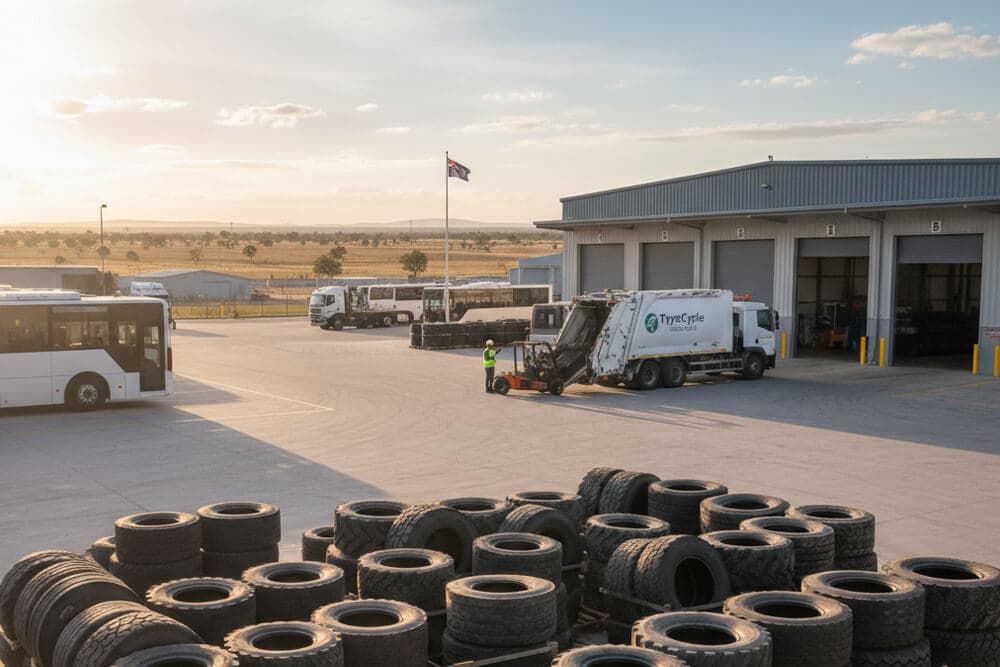
This article is written for NSW tyre shops, workshops, dealers, warehouses, and fleet depots that want cleaner operations, easier pickups, and stronger compliance routines.
Why fleets need a different approach
Fleet depots face volume spikes, shift changes, and maintenance peaks. If tyre disposal isn’t systemised, depots fill fast and operations get disrupted.
The best fleet setups treat tyres like any other operational output: a dedicated zone, a schedule, and a single owner.
A depot setup that works
- Define a dedicated tyre zone with forklift/vehicle access where relevant.
- Set a clear threshold (space or volume) that triggers booking.
- Use scheduled pickups to avoid stockpile events.
- Nominate a depot owner for booking + record-keeping.
- Review monthly: spikes, breakdowns, seasonal changes, route shifts.
Fleet-specific risk points to plan for
- Volume spikes after maintenance campaigns or route changes.
- Shift handovers where ownership of tyre staging is unclear.
- Multiple storage spots emerging across the depot during busy periods.
- Delayed bookings because teams assume someone else has already arranged pickup.
Documentation for fleets (keep it lightweight)
- Pickup date + depot location.
- Approximate volume removed.
- Reference/receipt details (where provided).
- Internal owner confirmation.
Next step
If your depot hits tyre overflow more than once, you need a threshold + cadence.
See services or request a fleet pickup plan. Related reads: chain-of-custody and scheduled pickups.